For decades, the Betty Ford Center in Rancho Mirage symbolized prestige, privacy, and world‑class addiction treatment. But in 2026, a growing number of patients and families are publicly challenging that reputation. Their accounts paint a picture of a facility struggling with internal disorder, deteriorating infrastructure, and a widening gap between its marketing and the lived experience of those seeking help.

Patients describe a system where financial priorities overshadow clinical judgment. Several report being pressured into extended “continuing care” programs even when they felt stable and ready to return home. Others recount tense disputes over insurance deadlines, including accusations of dishonesty when they attempted to follow their insurer’s required discharge dates.
Accessibility concerns have also taken center stage. Actress Marlee Matlin has spoken openly about being denied basic accommodations during her stay, forcing her to pay out‑of‑pocket for her own interpreter. Her story echoes a broader pattern of complaints from patients with disabilities who say the center fails to meet even minimal ADA expectations — despite a 2019 Department of Justice settlement requiring improvements.
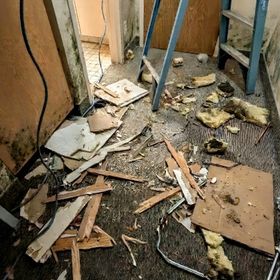
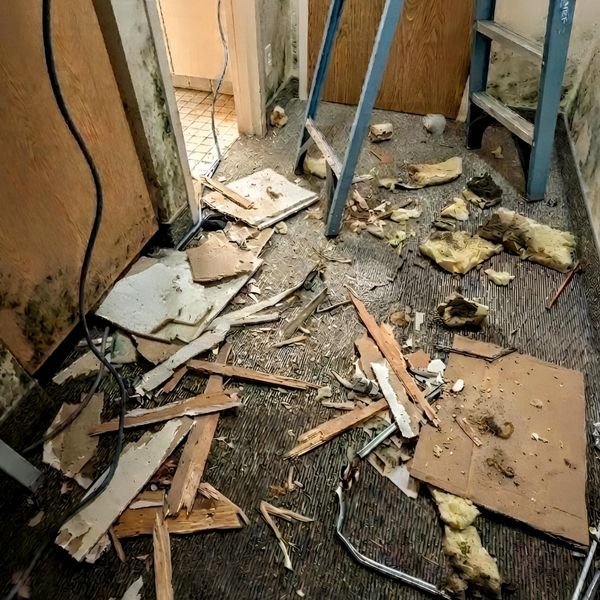
Beyond administrative issues, many reviews focus on the physical environment. Photos and firsthand accounts describe mold, insect infestations, broken fixtures, and rooms that fall far short of the center’s luxury image. For self‑pay patients spending more than $1,200 per day, the contrast between expectation and reality is jarring.
Clinically, experiences vary widely. Some counselors are praised for compassion and skill, while others are described as dismissive, confrontational, or even cruel. One psychiatrist allegedly told a patient, “In 20 years — if you live that long,” a comment that left reviewers stunned.
Underlying many of these issues is what both patients and former staff call internal chaos. They describe inconsistent rule enforcement, disorganized leadership, and a culture where communication breaks down at every level. For some, the environment feels less like a therapeutic community and more like a punitive institution — “treated like inmates, not patients,” as one reviewer put it.
Taken together, these accounts suggest a facility in crisis. While the Betty Ford Center still carries enormous name recognition, the experiences shared in 2026 raise urgent questions about safety, accessibility, and accountability. For individuals seeking recovery — often at the most vulnerable moment of their lives — these failures can have lasting consequences.